




energies · XVI / XX · Sphere D · Depth & Integration · All 20
What you most strongly despise in others is often what you have repressed in yourself.
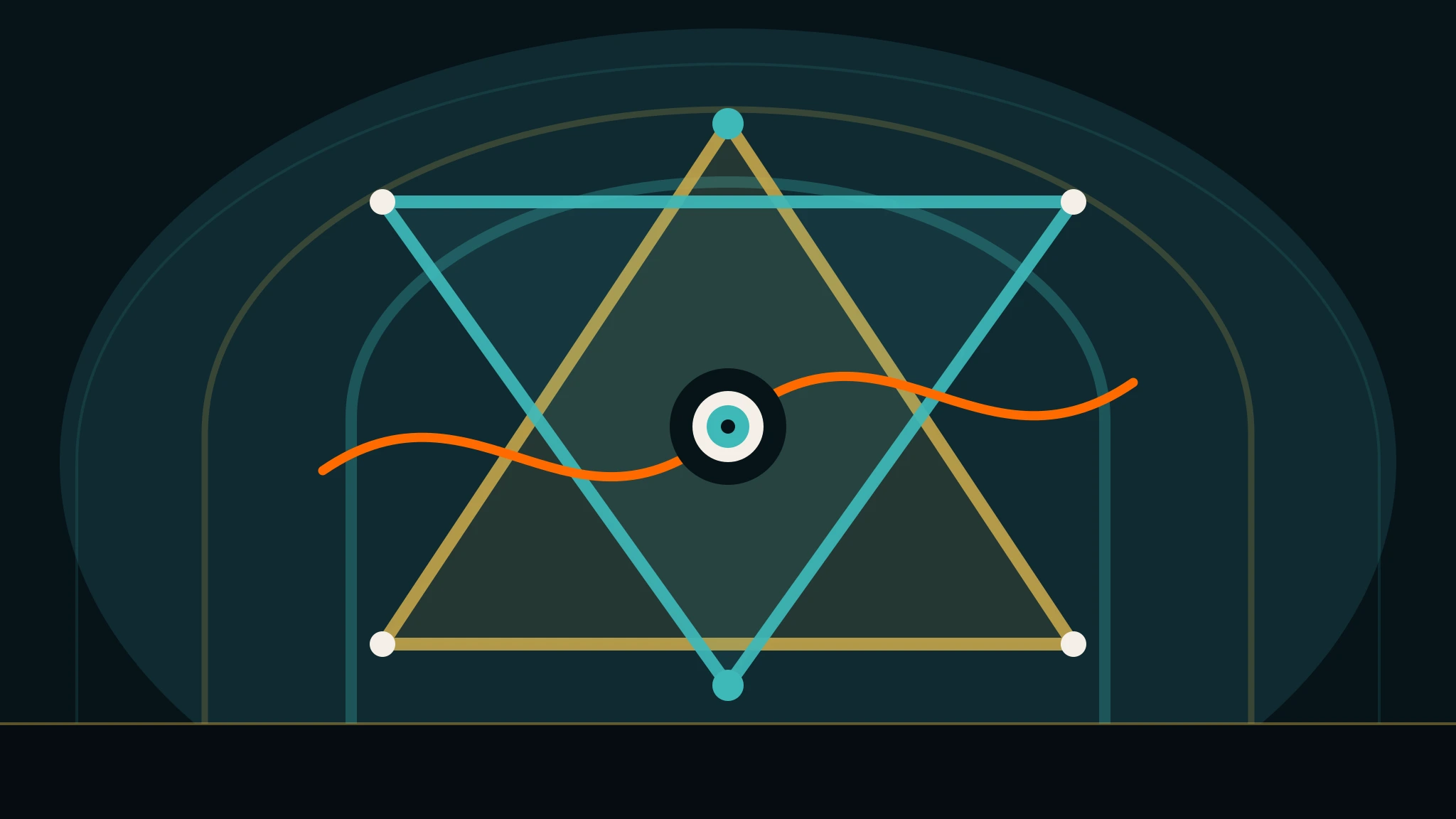
Jung called it shadow: everything in yourself you refuse to accept and therefore can barely stand in others. Wilber's 3-2-1 process brings the banished back in three steps. We go along, carefully.
Do you know that one person who annoys you disproportionately? More than their behaviour objectively warrants? Jung says: a mirror hangs here. What you see in them and cannot bear: you are it too, in the form that was not permitted to you.
I · Structure · Measurable
IFS studies (Hodgdon et al. 2022, J. Aggression, Maltreatment & Trauma): parts-work shows clinically relevant effects on PTSD symptoms and self-compassion. Quantitative shadow research in the narrow sense remains rare. The effect is better documented in clinical practice than in RCTs.
II · Flow · Tradition
Sufism: Nafs al-Ammāra (the commanding self) must be recognised, not fought. Christian mysticism: the fall through rock of one's own shadow sides. Hindu sādhanā: encounter with one's own asuras.
III · Breadth · Synthesis
What tradition described as spiritual duty is today therapeutically effective. IFS (Schwartz), Voice Dialogue (Stone) and Wilber's 3-2-1 method all work from the assumption: integrate rather than get rid of.
„What you despise in others sometimes hangs on a mirror.“

Tool · 3-2-1 process
Bringing the shadow back
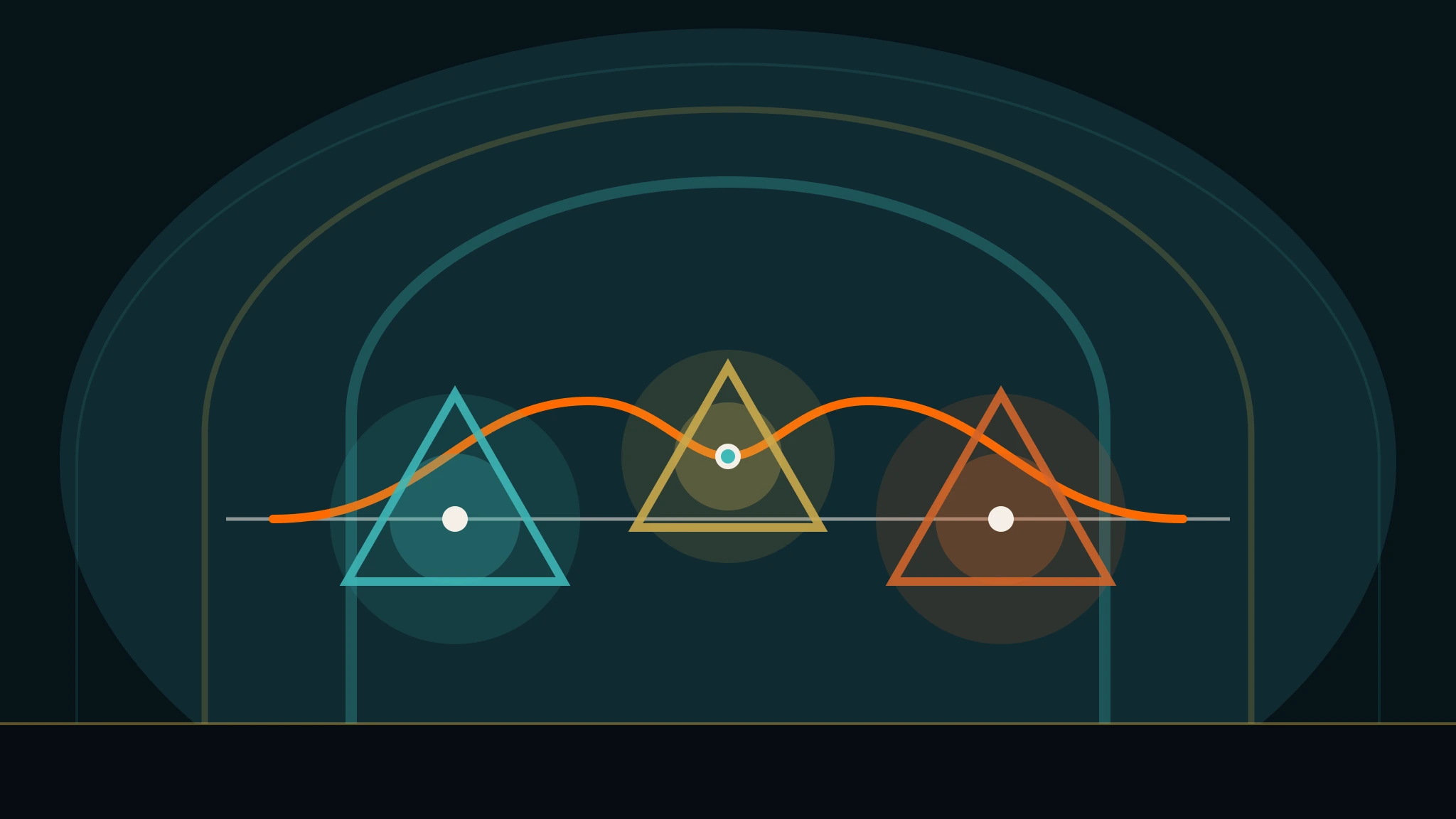
Wilber's 3-2-1: the same person from three angles. Take your time and go only as far as feels safe.
3 · It
2 · You
1 · I
local only · nothing is sent
If it gets to be too much, pause. You decide how far you go.
Shadow · Jung · Wilber’s 3-2-1
- 1 · C.G. Jung · 1934 · GW 9/II
- 2 · While proofreading, the editorial team spontaneously thought of three people who really ought to read this chapter. We are working on it.